Cross-Platform Reward Synchronization During Global Sports Events and Its Effects on Digital Gaming Access
Iris Berger · Jul 31, 2026
Cross-Platform Reward Synchronization During Global Sports Events and Its Effects on Digital Gaming Access
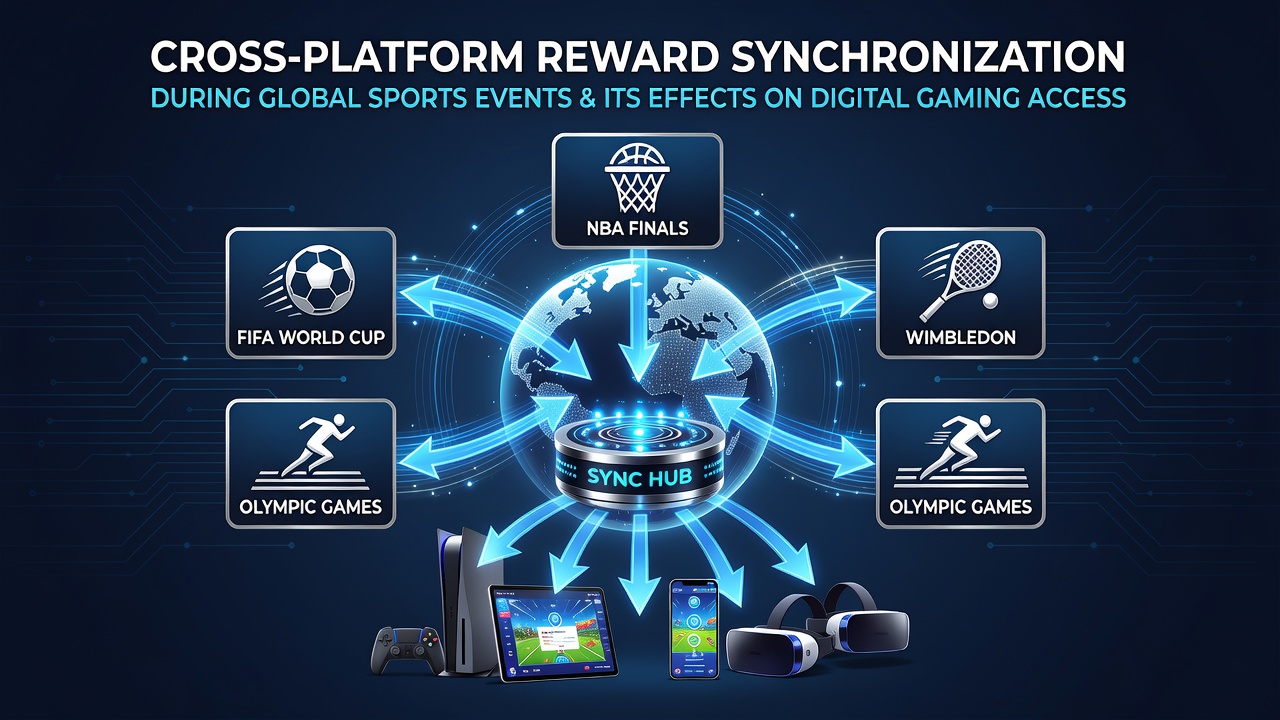
Global sports events trigger coordinated updates across gaming platforms where reward systems align user progress and bonuses in real time, and this synchronization shapes how players gain entry to features on mobile apps, desktop clients, and other connected devices. During periods like the FIFA World Cup, operators adjust reward structures so that achievements earned on one platform carry over to others without interruption, while data from industry reports shows increased cross-device logins during these windows. Observers note that such alignments often coincide with peak viewership periods when sports betting and related gaming activities surge simultaneously across regions.
How Synchronization Mechanisms Operate Across Devices
Platforms connect backend systems through APIs that track user activity and push unified reward updates, and this process allows a player who completes a challenge on a smartphone to receive the same tier benefits when switching to a tablet or computer later in the same session. Research from the American Gaming Association highlights that synchronization rates climbed during major tournaments because operators integrated cloud-based ledgers to handle concurrent access from multiple endpoints. Those who study these patterns point out that latency reductions and standardized data protocols make it possible for rewards to refresh within seconds rather than hours, which in turn keeps eligibility windows open for time-sensitive promotions tied to live sports outcomes.
July 2026 brought additional attention to these systems during the final stages of the FIFA World Cup, when several major operators expanded their synchronization frameworks to cover both regulated and emerging markets. Figures from regulatory filings reveal that platforms handling cross-border traffic adjusted reward multipliers daily to match match schedules, and this created consistent access pathways for users regardless of their primary device. Experts tracking these developments have observed that the technical backbone relies on encrypted session tokens that verify identity and carry forward accumulated points without requiring manual transfers.
Impacts on Player Access and Eligibility
Once rewards synchronize, players encounter fewer barriers when moving between interfaces, yet access still depends on compliance with regional licensing rules that can restrict certain bonus types on specific device categories. Data indicates that synchronized systems expand the pool of eligible participants for limited-time events because progress tracked on one platform counts toward thresholds on others, and this broadens participation numbers according to reports compiled by the Canadian Gaming Association. Those monitoring access trends note that users in areas with strong mobile infrastructure benefit most because their session data feeds directly into desktop leaderboards without additional verification steps.
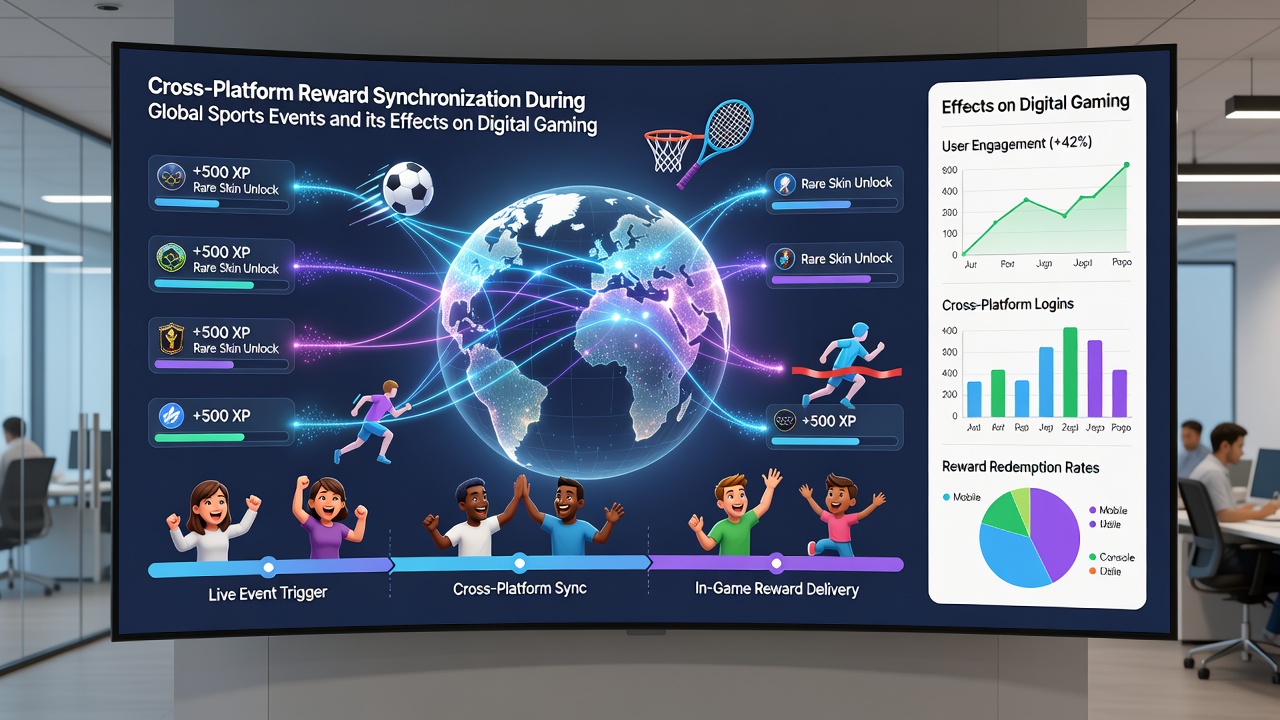
But here's the thing: eligibility for higher reward tiers often hinges on total activity volume across all platforms rather than isolated sessions, which means players who split time between devices can reach new levels faster during event-driven windows. Studies compiled by academic researchers at institutions focused on digital entertainment have found that synchronized access correlates with longer overall engagement periods because users do not lose momentum when switching hardware. In practice this means a streak started on a console can continue on a mobile app if the underlying reward engine recognizes the continuous login history.
Regional Variations and Regulatory Influences
Different jurisdictions apply distinct rules to how synchronized rewards translate into actual gaming access, and operators must maintain separate compliance layers for each market they serve. Reports from the Australian Communications and Media Authority document that platforms operating in that region adjusted synchronization features to exclude certain promotional mechanics during global events in order to align with local advertising standards. Meanwhile operators serving European markets have integrated similar systems but route eligibility checks through centralized databases that verify age and location before unlocking cross-device benefits.
What's interesting is that synchronization can also create temporary access spikes in emerging markets where device switching occurs frequently due to infrastructure limitations, and this pattern appears in usage logs collected during the 2026 World Cup period. Industry analyses show that reward carry-over features reduce friction for users who rely on shared or borrowed devices, because their progress remains tied to an account rather than a single hardware instance. Those who've examined transaction records note that this approach increases the number of verified accounts active across multiple endpoints without raising the incidence of duplicate entries.
Conclusion
Cross-platform reward synchronization during global sports events continues to reshape digital gaming access by linking progress across devices and maintaining eligibility through unified tracking systems. As operators refine these processes around events such as the 2026 FIFA World Cup, the technical and regulatory frameworks determine how widely players can participate in synchronized promotions. Data from multiple sources demonstrates measurable increases in cross-device activity when reward alignment functions smoothly, and ongoing adjustments ensure these systems remain compatible with evolving licensing requirements in different regions.