Decoding Eligibility Pathways for Tiered Slot Tournaments Tied to Deposit Velocity
Harper Koch · Aug 3, 2026
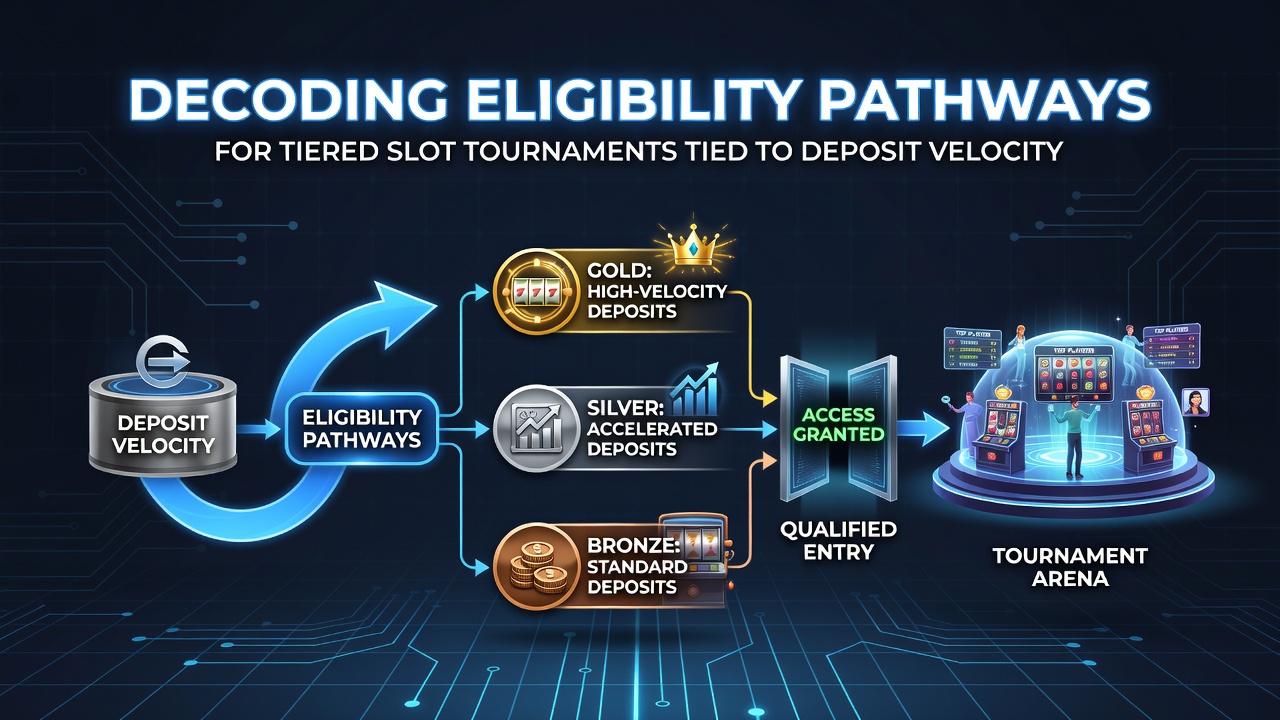
Decoding Eligibility Pathways for Tiered Slot Tournaments Tied to Deposit Velocity
Deposit velocity refers to the rate at which players complete deposits over a defined period, and operators use this metric to establish eligibility for tiered slot tournaments. Platforms calculate velocity through factors such as deposit frequency, average transaction size, and consistency across weekly or monthly windows, which then map directly to entry levels in progressive tournament structures.
Core Components of Deposit Velocity Tracking
Systems monitor deposits through automated ledgers that record timestamps, amounts, and payment methods, while algorithms assign scores based on velocity thresholds. Higher velocity scores open access to premium tiers that feature larger prize pools and exclusive time slots, whereas lower scores restrict participants to base-level events. Data from the American Gaming Association shows that operators adjusted these scoring models in early 2026 to account for seasonal fluctuations in player activity.
Tier pathways typically progress through bronze, silver, gold, and platinum levels, each requiring incremental increases in deposit velocity. Bronze entry might demand three deposits totaling a set minimum within seven days, while platinum demands sustained weekly activity exceeding specific benchmarks over a full quarter. Observers note that these graduated requirements encourage consistent engagement without mandating single large transfers.
Mapping Eligibility Through Tier Structures
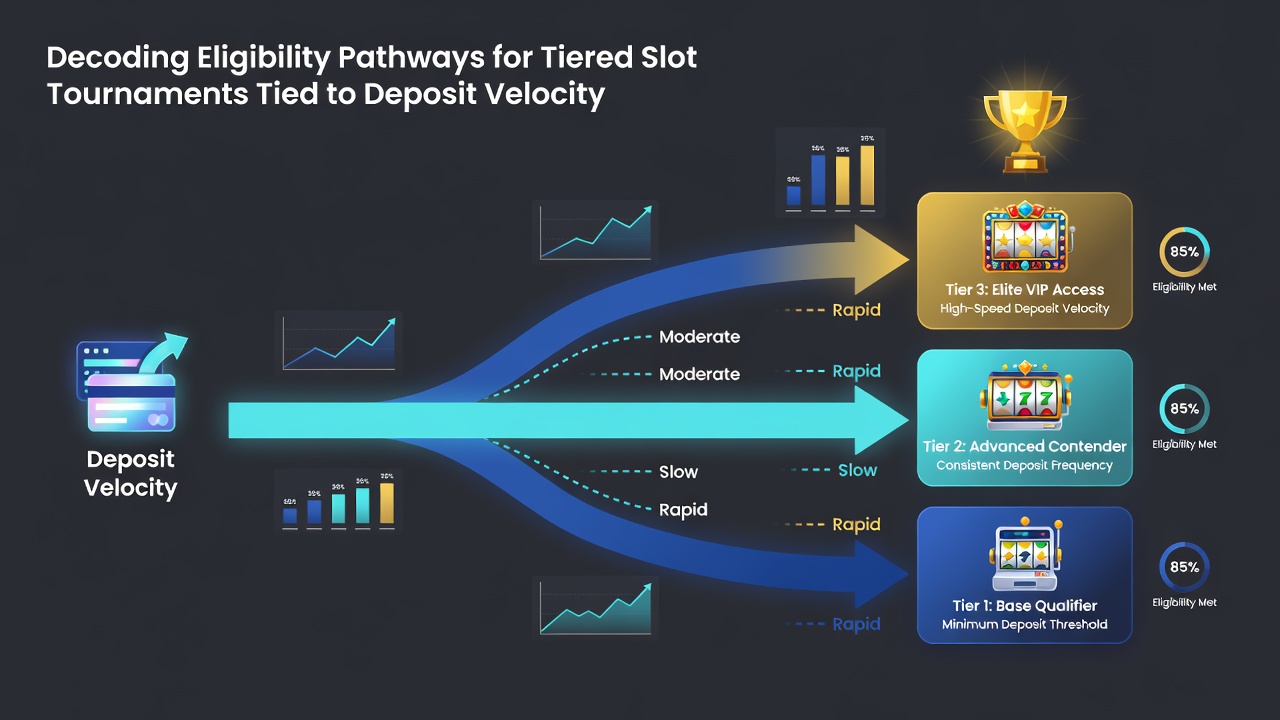
Operators publish clear matrices that convert velocity scores into tournament invitations, and these matrices update quarterly to reflect platform-wide activity trends. Players advance when their rolling average meets or exceeds the next threshold, which triggers automatic qualification notifications through account dashboards. Research from the Alcohol and Gaming Commission of Ontario indicates that such transparent conversion tables reduce disputes over entry decisions.
Additional modifiers sometimes apply, including bonuses for deposits made during promotional windows or through designated channels, and these modifiers can accelerate progression between tiers. Yet the base calculation remains anchored in velocity, which ensures that rapid, repeated funding patterns receive priority over sporadic larger sums. Platforms integrate these modifiers through backend rules engines that recalculate eligibility in real time.
Operational Examples Across Platforms
One major operator introduced a velocity-linked ladder in spring 2026 that required players to maintain a minimum of four deposits per month to retain gold status, with each deposit exceeding a platform-defined floor. Participants who met the velocity target received entry codes for weekly slot tournaments capped at higher buy-in amounts. Similar programs appeared on European-facing sites, where velocity windows aligned with local banking cycles to accommodate regional payment habits.
August 2026 brought further refinements when several platforms synchronized their velocity tracking with new compliance modules, ensuring that eligibility pathways accounted for updated responsible gaming limits. These updates preserved the core velocity metric while adding safeguards that paused progression for accounts flagged under spending thresholds.
Regulatory Influences on Pathway Design
Jurisdictions in North America and Australia require operators to document how deposit velocity influences access to promotional events, and audits verify that pathways remain equitable across player segments. Reports compiled by the Nevada Gaming Control Board highlight that velocity-based systems must include appeal processes for players whose activity patterns shift due to external factors. Compliance teams therefore maintain detailed logs that demonstrate consistent application of the published criteria.
Cross-border operators adjust velocity calculations to satisfy multiple regulatory frameworks simultaneously, which often results in region-specific tournament calendars. For instance, Australian platforms incorporate velocity requirements that align with local harm-minimization guidelines, whereas North American sites emphasize transaction security alongside velocity scoring. This geographic variation produces distinct eligibility timelines even when the underlying tournament formats remain comparable.
Conclusion
Eligibility pathways for tiered slot tournaments continue to center on deposit velocity as the primary sorting mechanism, and operators refine these systems through quarterly matrix updates and regulatory alignment. The integration of velocity scores with tier progression creates structured access routes that reward consistent funding patterns, while compliance requirements ensure transparency and fairness. As platforms adapt to 2026 regulatory shifts, velocity tracking remains the measurable link between player activity and tournament participation opportunities.