How Major International Sports Tournaments Influence the Timing of Free Spin Offers in Digital Entertainment Venues
Rafael Otto · Aug 5, 2026
How Major International Sports Tournaments Influence the Timing of Free Spin Offers in Digital Entertainment Venues
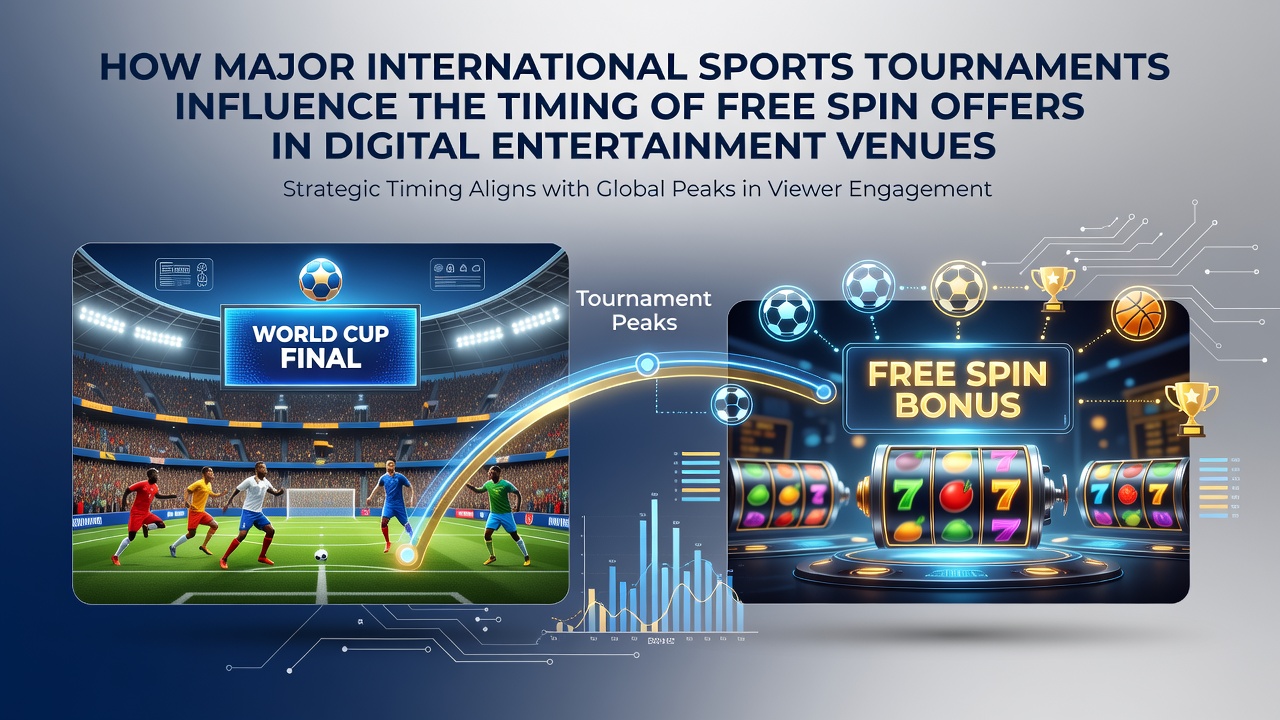
Major international sports tournaments generate measurable increases in online traffic across digital entertainment platforms, and operators respond by aligning free spin offers with those peak periods to capture attention from audiences already engaged with live events. Data from multiple regions shows that promotions often launch in the days leading up to opening matches and continue through group stages or knockout rounds, creating extended windows for player participation. Researchers tracking user behavior note that these synchronized campaigns coincide with higher session starts, particularly when events span several weeks and cross multiple time zones.
Traffic Patterns During Global Events
Studies of platform analytics reveal consistent spikes during tournaments such as the FIFA World Cup and the Summer Olympics, with engagement metrics rising sharply on match days and remaining elevated through evening sessions in key markets. Operators monitor these patterns through real-time dashboards and release free spin bundles timed to pre-match hype or post-match recaps, which extends the promotional reach without overlapping every single fixture. In August 2026, following the conclusion of the 2026 FIFA World Cup, several platforms adjusted their calendars to shift remaining free spin offers toward secondary events, avoiding direct competition with summer lulls in major tournament schedules.
European operators have documented similar trends around UEFA competitions, where free spin eligibility windows open shortly after team announcements and close after final matches. North American platforms show parallel timing around major league events that draw overlapping audiences, though the scale differs by sport and broadcast reach. Observers tracking these cycles point out that the alignment reduces promotional waste while capitalizing on viewers who transition from sports streaming to gaming sessions in the same evening.
Strategic Release Windows and Regional Variations
Platform teams coordinate release dates with tournament calendars published months in advance, allowing for segmented offers that target specific regions based on local viewing times and regulatory constraints. In markets where sports betting and casino gaming operate under separate licenses, free spin promotions often serve as the primary engagement tool during tournament periods, since they avoid direct overlap with wagering markets. Figures from industry reports indicate that campaigns launched two to three days before opening ceremonies achieve higher redemption rates than those released mid-tournament, when audience attention may already be divided.
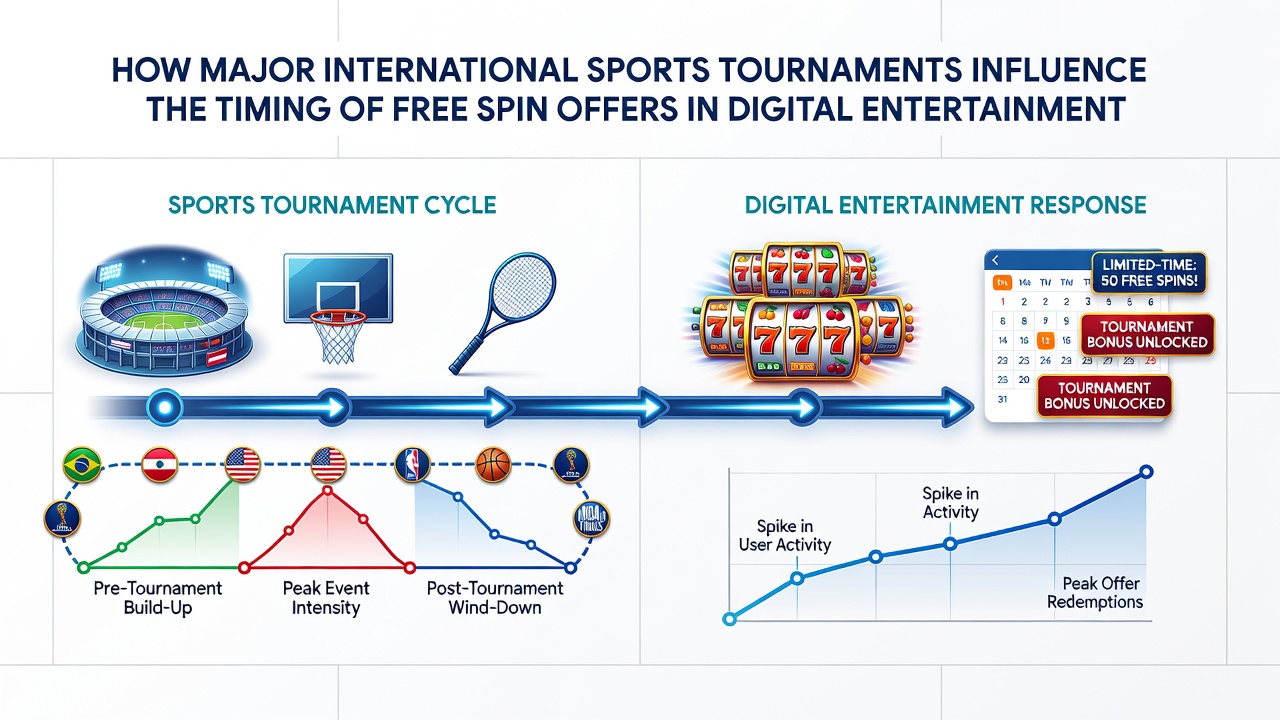
Australian and Asian operators follow comparable patterns around cricket world cups and regional football tournaments, adjusting free spin durations to match local match schedules and holiday periods that often accompany these events. One study released by the European Gaming and Betting Association examined data from multiple operators and found that synchronized promotions during major tournaments produced sustained increases in new account registrations across mobile channels. Platforms in Canada have reported similar outcomes when aligning offers with international hockey or basketball events that attract cross-border audiences.
Data Insights and Platform Adjustments
Analytics providers supply operators with granular reports that break down hourly traffic by sport and region, enabling precise scheduling of free spin drops to avoid overlap with high-traffic broadcast windows. These reports also track redemption velocity, allowing teams to extend or shorten eligibility periods based on real-time performance rather than fixed calendars. Research from academic sources on digital entertainment consumption shows that users who engage with both live sports streams and gaming platforms during tournaments tend to return for subsequent events when offers maintain consistent timing cues.
Operators also incorporate weather-related disruptions and schedule changes into their planning, since postponed matches can shift audience availability and require rapid adjustments to promotional end dates. Data from multiple platforms indicates that flexible offer structures, such as rolling free spin credits over several days, help maintain engagement even when tournament timelines shift unexpectedly. External analyses from organizations like the National Council on Problem Gambling highlight how these timing strategies intersect with broader responsible gaming measures that limit offer frequency during extended tournament periods.
Conclusion
Patterns across regions demonstrate that major international sports tournaments serve as reliable anchors for free spin offer timing in digital entertainment venues, with operators using historical traffic data and live analytics to refine release windows. The approach connects event calendars directly to promotional cycles, producing measurable shifts in player activity that persist beyond individual matches. As tournament schedules evolve and new events enter the global calendar, platforms continue to refine these alignments to match audience availability and regulatory frameworks across different jurisdictions.