Mapping Biometric Verification Trends with Customized Reward Windows in Portable Reel Competitions
Amir Brooks · Jun 12, 2026
Mapping Biometric Verification Trends with Customized Reward Windows in Portable Reel Competitions
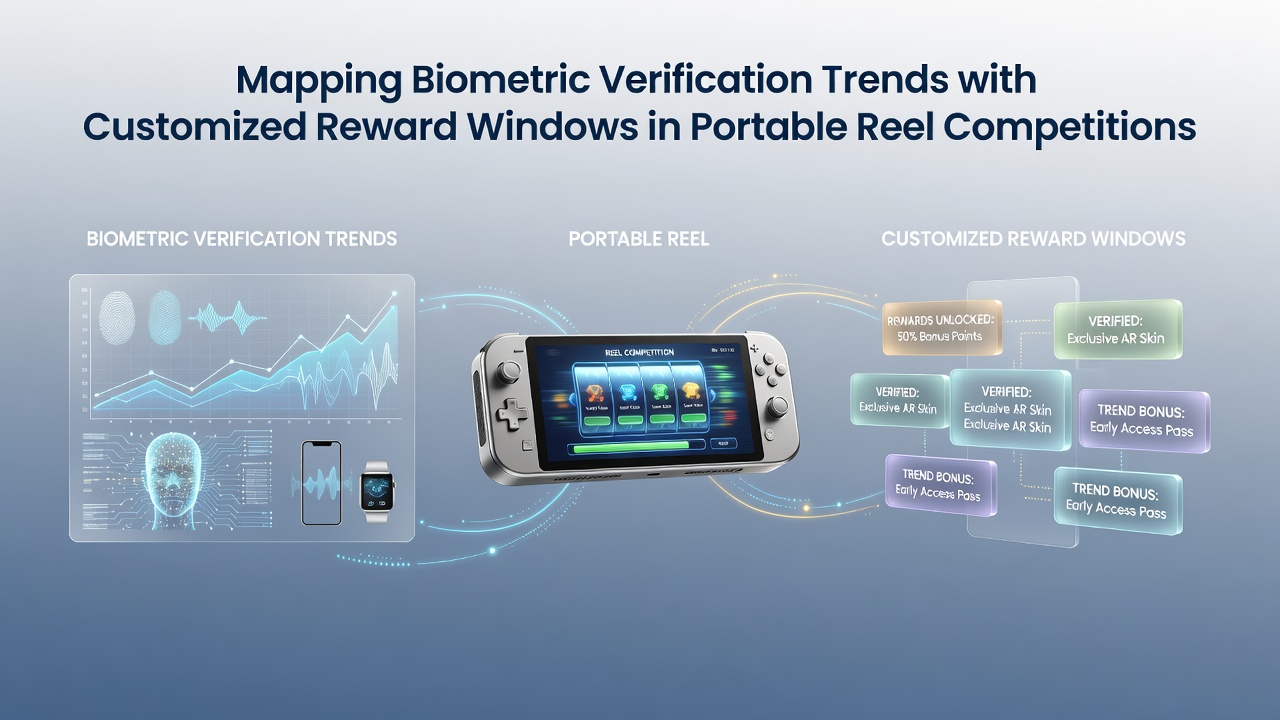
Portable reel competitions have expanded rapidly as mobile platforms integrate biometric verification systems with time-sensitive reward structures, and industry data shows these technologies now shape participant eligibility across multiple jurisdictions. Researchers tracking adoption rates note that fingerprint and facial recognition protocols have replaced traditional account logins in several major operators since 2024, while customized reward windows adjust bonus availability based on verified user patterns rather than fixed schedules.
Biometric Integration Patterns Across Mobile Platforms
Operators have rolled out biometric checks that verify identity within seconds, and this shift coincides with regulatory updates in North American and Asian markets where mobile competition entries require real-time authentication. According to figures from the American Gaming Association, biometric-enabled sessions accounted for 38 percent of portable reel competition activity by early 2025, with growth concentrated in markets that updated verification rules during 2024. Experts observing these changes point out that facial recognition paired with device sensors now handles most high-volume events, whereas fingerprint methods remain common in regions with stricter data-storage requirements.
Portable reel competitions benefit from reduced fraud when biometric data ties directly to reward eligibility, and studies from the University of Nevada Reno's gaming research division reveal that operators using multi-factor biometric gates report 22 percent fewer duplicate entries compared with password-only systems. Data indicates these systems also shorten the time between entry and reward activation, allowing participants to access customized windows that open only after successful verification.
Customized Reward Windows and Their Operational Mechanics
Reward windows function as variable time intervals during which verified users receive enhanced payouts or bonus spins, and customization occurs through algorithms that factor in session history, verification frequency, and competition tier. Industry reports compiled by the Canadian Gaming Association demonstrate that operators adjusting these windows based on biometric confirmation data achieve higher retention rates among repeat competitors, with adjustments often occurring in 15-minute increments tied to peak activity periods. Those monitoring the sector observe that personalization reduces overlap between low-engagement and high-engagement participants, creating distinct access periods for each group.
One documented implementation in Australian mobile platforms links reward windows to continuous biometric confirmation throughout a session, and this approach prevents mid-competition account sharing while allowing operators to extend or contract bonus availability according to real-time participation metrics. Figures released in 2025 by the Asia-Pacific Gambling Studies Network show that such linked systems increased average session length by 14 minutes without raising overall wager volumes, suggesting participants remain engaged longer within their assigned windows.
Trends Emerging in June 2026 and Regulatory Context
June 2026 marks the scheduled release of updated compliance guidelines from the Nevada Gaming Control Board that address biometric data handling in portable competitions, and early drafts circulated among operators indicate requirements for encrypted storage paired with dynamic reward window transparency. Analysts following these developments note that several platforms have already begun testing window adjustments that respond to verification confidence scores, where higher biometric match certainty unlocks earlier access to limited-time incentives.
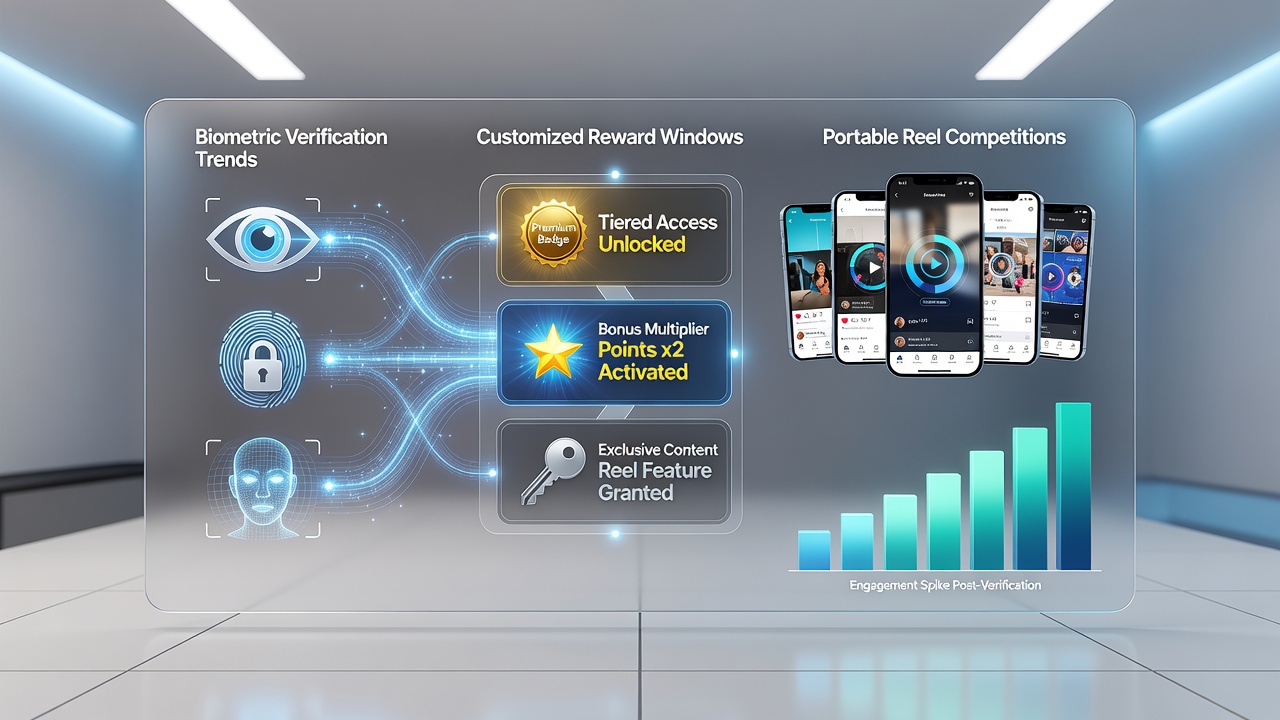
European operators participating in cross-border competitions have adopted similar models under the Malta Gaming Authority framework, and data shared at the 2025 iGaming Summit highlighted how biometric-linked windows help align reward distribution with local responsible gaming thresholds. Observers note that these adjustments often appear as staggered start times for different user cohorts, reducing simultaneous load on servers during major events.
Case Examples from Current Deployments
Take one North American operator that introduced biometric-gated reward windows in late 2025: the system assigns each verified competitor a unique activation slot based on prior session data, and internal metrics indicate that 67 percent of participants returned within their assigned window rather than attempting entry outside it. Another deployment in Southeast Asia combines facial recognition with geolocation to open reward periods only when users remain within approved competition zones, and records from the Singaporean gambling oversight body show this combination lowered ineligible entries by 19 percent over six months.
Researchers have documented that customized windows also influence prize pool allocation, with larger incentives reserved for windows populated by users showing consistent biometric verification across multiple sessions. This practice appears in several portable reel formats where competition organizers publish window schedules in advance, allowing participants to plan around their verified access periods.
Conclusion
Biometric verification continues to merge with customized reward windows in portable reel competitions, and available data points to steady expansion of these paired systems through 2026. Operators track verification success rates alongside window utilization to refine eligibility rules, while regulatory bodies in multiple regions prepare guidelines that address both data security and fair distribution of time-limited incentives. The patterns observed so far suggest that future iterations will further synchronize biometric confidence levels with reward timing, creating more granular access controls across mobile platforms.