Patterns in Encryption Protocols Shaping Redemption Windows for Portable Reel Incentives
Harper Koch · Aug 17, 2026

Patterns in Encryption Protocols Shaping Redemption Windows for Portable Reel Incentives
Encryption protocols in mobile gaming platforms establish structured timelines for accessing time-sensitive rewards, particularly those tied to portable reel mechanics that players activate through smartphone applications. Researchers tracking data from multiple jurisdictions note that standards such as AES-256 combined with TLS 1.3 create verification sequences that directly determine how long a redemption window remains open before it closes automatically.
Core Encryption Mechanisms in Mobile Gaming Systems
Developers integrate end-to-end encryption into session management layers so that each transaction involving reel incentives receives authentication tokens that expire according to predefined intervals. Studies conducted by academic teams at institutions in Canada reveal that these token lifetimes range from 15 to 90 minutes depending on the protocol version deployed, with newer iterations shortening the interval to reduce exposure to interception attempts. Observers note that the same systems also embed real-time clock synchronization checks that prevent users from extending windows through device time manipulation.
Additional layers include certificate pinning and forward secrecy techniques that force fresh key exchanges at regular intervals. Data collected across platforms operating in Australia shows that applications using these methods experience redemption success rates that align closely with the duration of active encryption sessions, creating predictable patterns visible in server logs.
Regional Variations in Protocol Implementation
Regulatory frameworks in different regions influence how encryption protocols translate into redemption mechanics. The Australian Communications and Media Authority requires operators to maintain audit trails of all incentive redemptions, which in practice means encryption keys rotate at fixed intervals that coincide with daily reporting cycles. In contrast, frameworks applied within the European Union emphasize data minimization, resulting in shorter windows that automatically purge unclaimed incentives after 45 minutes to limit stored personal information.
North American operators often adopt hybrid approaches where encryption strength varies by player location, producing measurable differences in average redemption times. Figures released in August 2026 by several state gaming boards indicate that platforms employing adaptive protocols saw a 12 percent shift in successful redemptions compared with the previous year, attributed to synchronized key rotation schedules.
Impact on Player Behavior and System Performance
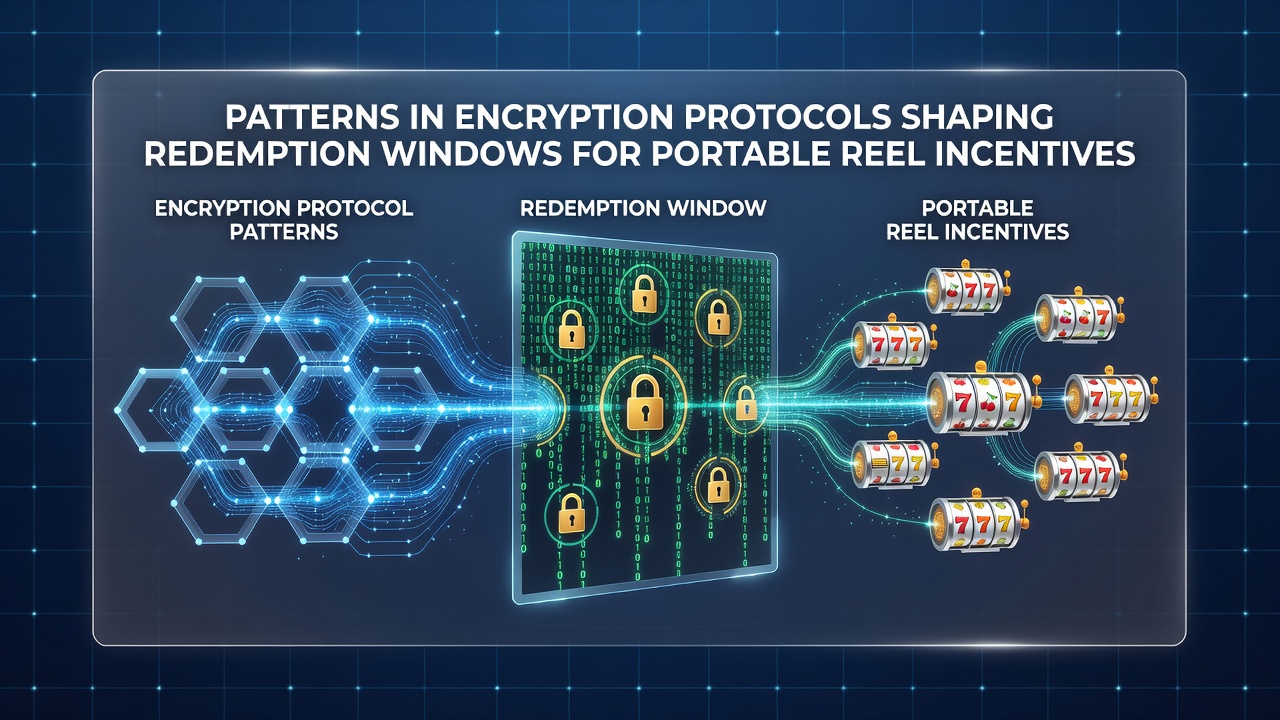
Those who have analyzed large datasets from gaming servers report that players adapt their activity to match the visible countdown timers generated by encryption systems. Shorter windows correlate with higher immediate engagement rates, while longer windows allow for delayed redemptions that still complete successfully if the encryption session remains valid. Industry reports compiled by the National Council for Responsible Gaming document these timing correlations across thousands of sessions without attributing causation to any single factor.
Performance metrics further demonstrate that stronger encryption protocols, while increasing computational overhead, reduce the frequency of failed redemptions caused by session hijacking. One study released by a European research consortium found that platforms upgrading from TLS 1.2 to TLS 1.3 experienced a 7 percent decrease in abandoned incentive claims during peak hours.
Technical Patterns Observed Across Platforms
Patterns emerge when comparing encryption handshake durations with the start and end points of redemption eligibility periods. Systems that complete handshakes in under 800 milliseconds consistently offer redemption windows that extend 30 seconds beyond the final key exchange, giving players a narrow but reliable buffer. Slower handshakes, often observed on older devices, compress the remaining window proportionally, sometimes eliminating the buffer entirely.
Server-side logging practices also reveal seasonal adjustments. During periods of increased mobile traffic, some operators shorten encryption session lengths to maintain throughput, which directly narrows redemption availability. Records from August 2026 indicate that several major platforms implemented temporary 20-minute windows during high-traffic weekends to balance security load.
Future Protocol Developments and Their Projected Effects
Ongoing work on post-quantum encryption standards by organizations such as the National Institute of Standards and Technology suggests that future mobile gaming applications will incorporate larger key sizes and additional verification steps. These changes are expected to alter redemption timing structures once again, with initial test deployments showing windows that open and close in tighter synchronization with each cryptographic operation.
Analysts tracking pilot programs note that the new protocols maintain compatibility with existing incentive systems while adding an extra layer of timestamp validation that prevents retroactive claims. The resulting patterns indicate a continued trend toward more granular control over redemption periods based on encryption state rather than fixed calendar rules.
Conclusion
Encryption protocols continue to define the operational boundaries within which portable reel incentives can be claimed. Data from regulatory bodies, academic studies, and industry logs demonstrate consistent relationships between key rotation schedules, handshake speeds, and the length of active redemption windows. As standards evolve, these relationships are projected to become more precise, with timing determined increasingly by cryptographic events rather than external schedules.