Synchronizing Transaction Protocols with Limited-Time Reel Activation Windows Across International Mobile Platforms
Iris Berger · Aug 12, 2026

Synchronizing Transaction Protocols with Limited-Time Reel Activation Windows Across International Mobile Platforms
Transaction protocols in mobile gaming environments require precise alignment with limited-time reel activation windows to maintain operational integrity across borders, and developers coordinate these elements through standardized timing mechanisms that account for network latency variations in different regions. Data from industry reports indicate that synchronization failures often stem from discrepancies in payment processing speeds versus activation countdowns, leading platforms to implement adaptive buffers that adjust in real time based on user location and carrier infrastructure.
International mobile platforms face distinct challenges when handling reel activation features tied to specific windows, since regulatory frameworks in the European Union emphasize data protection during transaction handshakes while Asian markets prioritize speed in high-volume sessions. Observers note that protocols must incorporate geolocation checks to verify eligibility before funds transfer completes, and this process integrates with reel timers to prevent overlaps or missed opportunities during peak hours.
Core Technical Mechanisms
Developers rely on API gateways that bridge financial transaction systems with game servers, allowing limited-time reel activations to trigger only after confirmation signals arrive within predefined tolerances. Research indicates these gateways use timestamp synchronization protocols such as NTP adjustments layered over blockchain-verified ledgers in select implementations, which reduces drift between payment authorization and feature unlock sequences. In practice, one case study from a cross-border platform revealed that combining these elements cut activation mismatches by measurable margins during multi-region rollouts.
Network congestion plays a direct role in protocol performance, so engineers deploy fallback routines that reroute transactions through secondary pathways when primary channels exceed latency thresholds. This approach ensures reel windows remain accessible even when primary mobile networks experience delays, and data shows integration with carrier APIs helps maintain consistency across carriers in North America and parts of South America.
Regional Adaptations and Standards
Platforms operating in multiple jurisdictions adapt their synchronization layers to local payment rails, such as those governed by the Monetary Authority of Singapore for Southeast Asian users or the Reserve Bank of Australia for Oceania operations. These adaptations include region-specific encryption standards that wrap transaction data before it reaches reel activation modules, and figures from 2025 deployments highlight how such tailoring improved success rates during limited-time events. Experts have observed that combining these regional adjustments with universal time servers creates a unified framework without violating individual compliance rules.
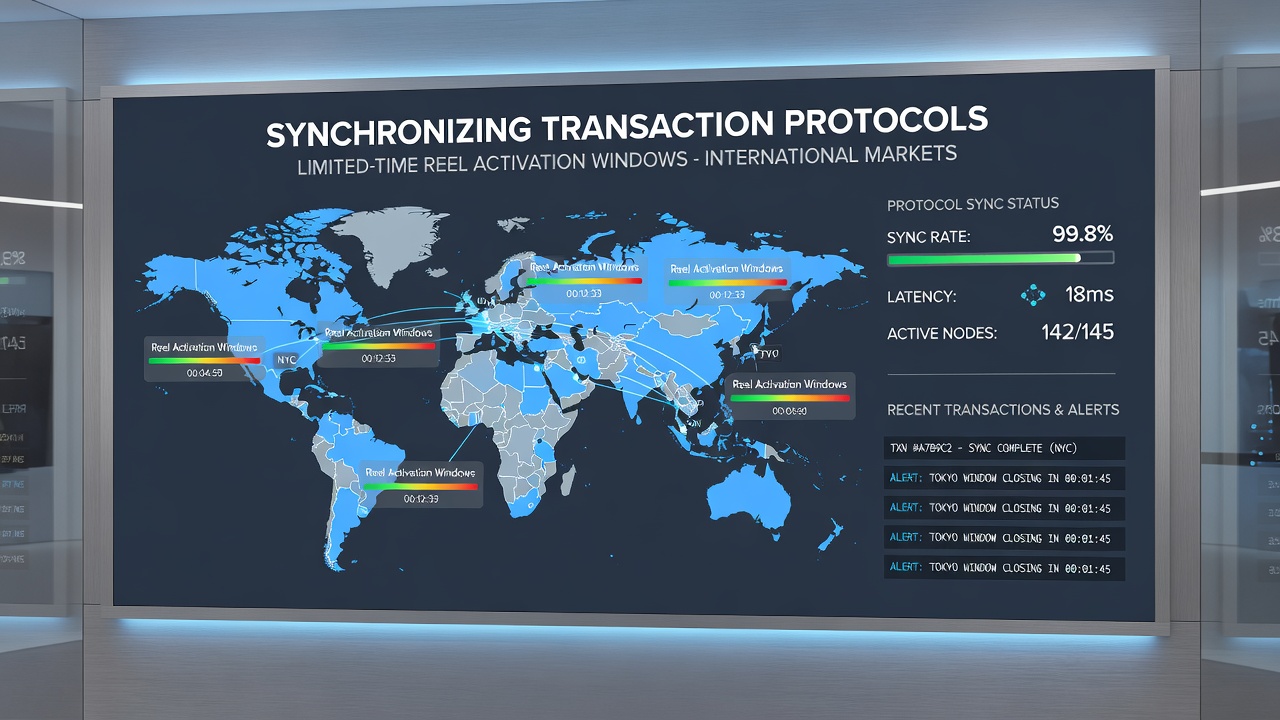
August 2026 marks a period of heightened activity for these systems, as several platforms rolled out updated protocols ahead of seasonal promotions that feature extended reel activation windows. According to a GSMA report on mobile financial services, transaction volumes in gaming contexts rose notably during that month, prompting further refinements in timing algorithms to handle simultaneous access requests from users in disparate time zones.
Integration Challenges and Solutions
Latency differences between transaction confirmation and reel activation often require predictive modeling, where systems forecast network conditions and pre-stage approvals accordingly. Those who have studied these patterns report that machine learning models trained on historical session data help anticipate bottlenecks, allowing protocols to shift reel windows slightly when needed while preserving fairness across users. In one documented rollout, such modeling reduced failed activations during high-traffic periods without altering the core limited-time structure.
Security layers add another dimension, since any desynchronization can expose vulnerabilities in the transaction-reel linkage. Platforms therefore embed multi-factor verification steps that run parallel to the main protocol, ensuring that reel activations only proceed after both payment and identity checks clear within the window. Evidence from industry analyses shows this dual-check method maintains compliance with data standards in Canada and the United States while supporting rapid feature delivery.
Future Protocol Evolutions
Emerging standards from organizations like the International Organization for Standardization focus on harmonizing time-sensitive elements across mobile ecosystems, which could streamline synchronization for reel activations in upcoming platform versions. Researchers discovered that adopting these evolving specifications allows developers to reduce custom regional coding, creating more uniform experiences for users regardless of location. Data collected through mid-2026 indicates early adopters achieved smoother operations during limited-time events compared with prior cycles.
Conclusion
Effective synchronization of transaction protocols with limited-time reel activation windows depends on coordinated technical, regulatory, and network considerations that evolve with each international deployment. Platforms continue refining these processes through data-driven adjustments and cross-border collaboration, supporting consistent access to time-bound features on mobile devices worldwide.