Tracing Digital Currency Adoption Patterns and Their Influence on Eligibility for Portable Gaming Competitions
Amir Brooks · May 27, 2026
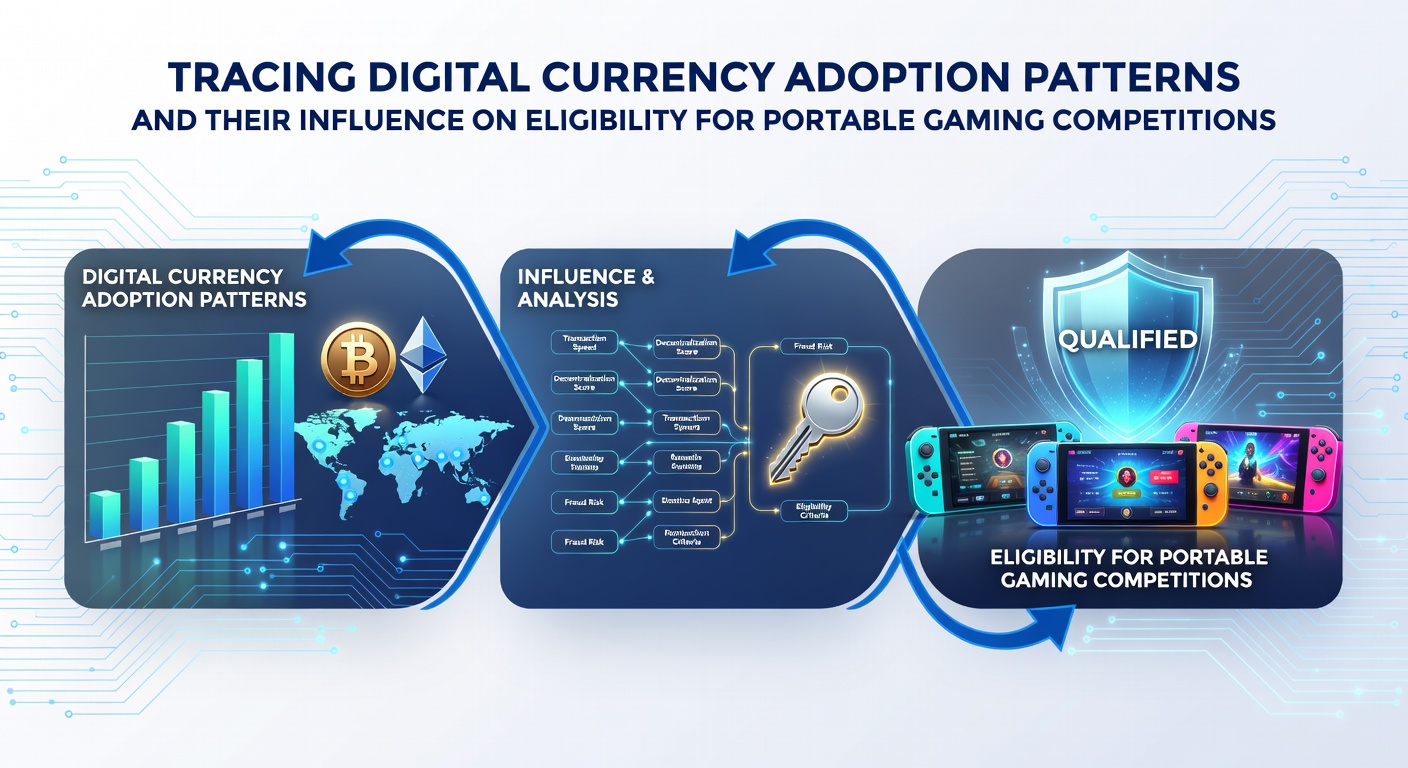
Tracing Digital Currency Adoption Patterns and Their Influence on Eligibility for Portable Gaming Competitions
Digital currency adoption continues to reshape access pathways in portable gaming competitions, where mobile platforms host tournaments across regions and payment methods determine participant eligibility. Patterns emerge from transaction data collected by exchanges and gaming operators, revealing shifts toward cryptocurrencies such as Bitcoin and stablecoins in regions with high mobile penetration.
Global Adoption Patterns in Digital Payments
Research from financial institutions shows accelerated uptake of digital currencies for microtransactions in gaming environments since 2023, with mobile users in Asia-Pacific markets leading adoption rates while European and North American participants follow at slower but steady paces. Data indicates that wallet integrations now support direct transfers on many tournament platforms, reducing reliance on traditional banking rails and altering verification processes required for entry.
Observers note distinct clusters of adoption tied to regulatory clarity, where jurisdictions with established crypto frameworks see faster integration into gaming apps compared to areas still developing oversight mechanisms. Figures from industry reports reveal that over 40 percent of portable competition entries in select Asian markets processed payments via digital assets by early 2025, whereas comparable figures in other regions remained below 15 percent during the same period.
Eligibility Requirements and Currency Verification
Portable gaming competitions impose eligibility rules centered on payment provenance and account verification, and digital currency flows introduce additional layers of compliance checks. Tournament organizers often require proof of wallet ownership along with transaction histories to confirm funds originate from legitimate sources, a step that filters participants based on their ability to meet these documentation standards.
Those managing events in multiple countries coordinate with payment processors that flag certain digital currency types, which in turn affects who qualifies for prize pools or leaderboard placements. Studies conducted by academic research groups found that competitors using stablecoins encounter fewer delays in verification than those relying on more volatile assets, because platforms apply automated compliance tools calibrated to specific coin categories.
Case Examples from Recent Tournaments
One series of mobile esports events held across Southeast Asia in 2025 required entrants to link verified wallets before registration closed, resulting in streamlined entries for users already active in digital asset networks. Another competition organized in North America incorporated hybrid options that accepted both fiat and crypto deposits, yet participants opting for cryptocurrency completed onboarding 30 percent faster according to operator logs.
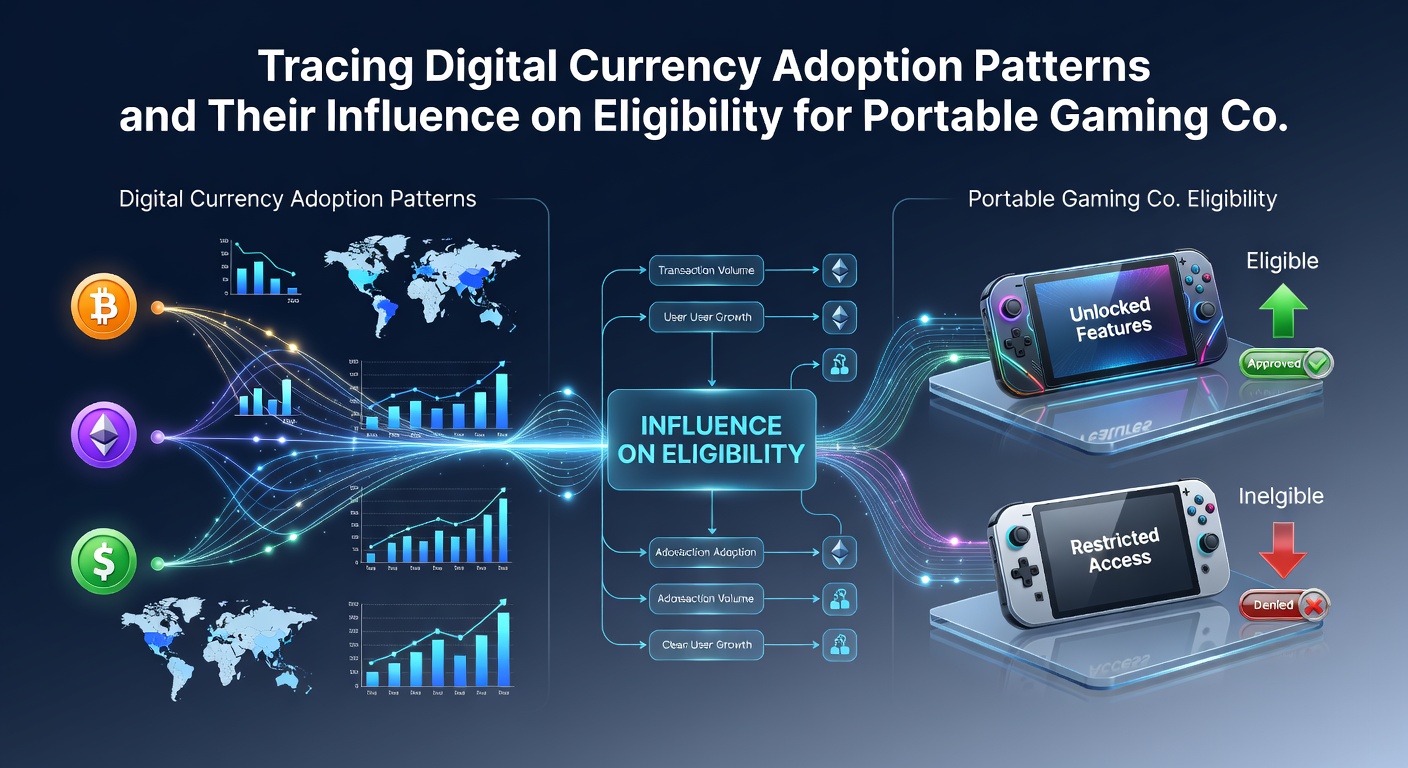
Analysts tracking these patterns highlight how wallet age and transaction volume influence approval rates, with newer accounts facing higher scrutiny regardless of asset type. Data compiled by regional gaming associations shows that eligibility rejections dropped when organizers accepted common stablecoins alongside established cryptocurrencies.
Regulatory Developments and Their Reach
Policy updates scheduled for implementation in May 2026 across several jurisdictions aim to standardize digital asset disclosures for online gaming platforms, which will likely extend verification requirements to portable competition entries. European regulatory bodies have already circulated draft guidelines that link payment method transparency to tournament licensing, while Canadian provincial frameworks emphasize consumer protection measures that intersect with crypto usage.
Industry organizations report that operators preparing for these changes now embed automated screening tools capable of tracing fund origins in real time, thereby influencing which competitors gain entry. Australian oversight agencies have released consultation papers addressing similar intersections between digital payments and gaming access, providing templates that other regions reference when updating their own rules.
Projected Shifts Through 2026
Forecast models from research institutions suggest continued growth in digital currency usage for portable gaming will correlate with expanded eligibility pools in markets where infrastructure supports seamless wallet connectivity. Projections indicate that platforms adopting multi-currency support by mid-2026 could see participation increases of 25 percent or more among users previously excluded by traditional banking limitations.
Those analyzing transaction datasets observe that regions introducing clearer tax reporting for gaming-related crypto activity tend to attract more competitors who already maintain compliant wallet records. External analyses from sources such as the OECD and the European Gaming and Betting Association underscore how standardized reporting reduces friction in eligibility reviews without altering core competition formats.
Conclusion
Digital currency adoption patterns continue to intersect with eligibility frameworks for portable gaming competitions through verification protocols and regional regulatory alignments. As platforms adjust systems ahead of 2026 policy shifts, participant access will hinge on alignment between wallet practices and organizer requirements across diverse markets.