Tracing the Links Between Transaction Speeds and Access to Limited-Time Gaming Incentives
Mia Baumann · May 20, 2026
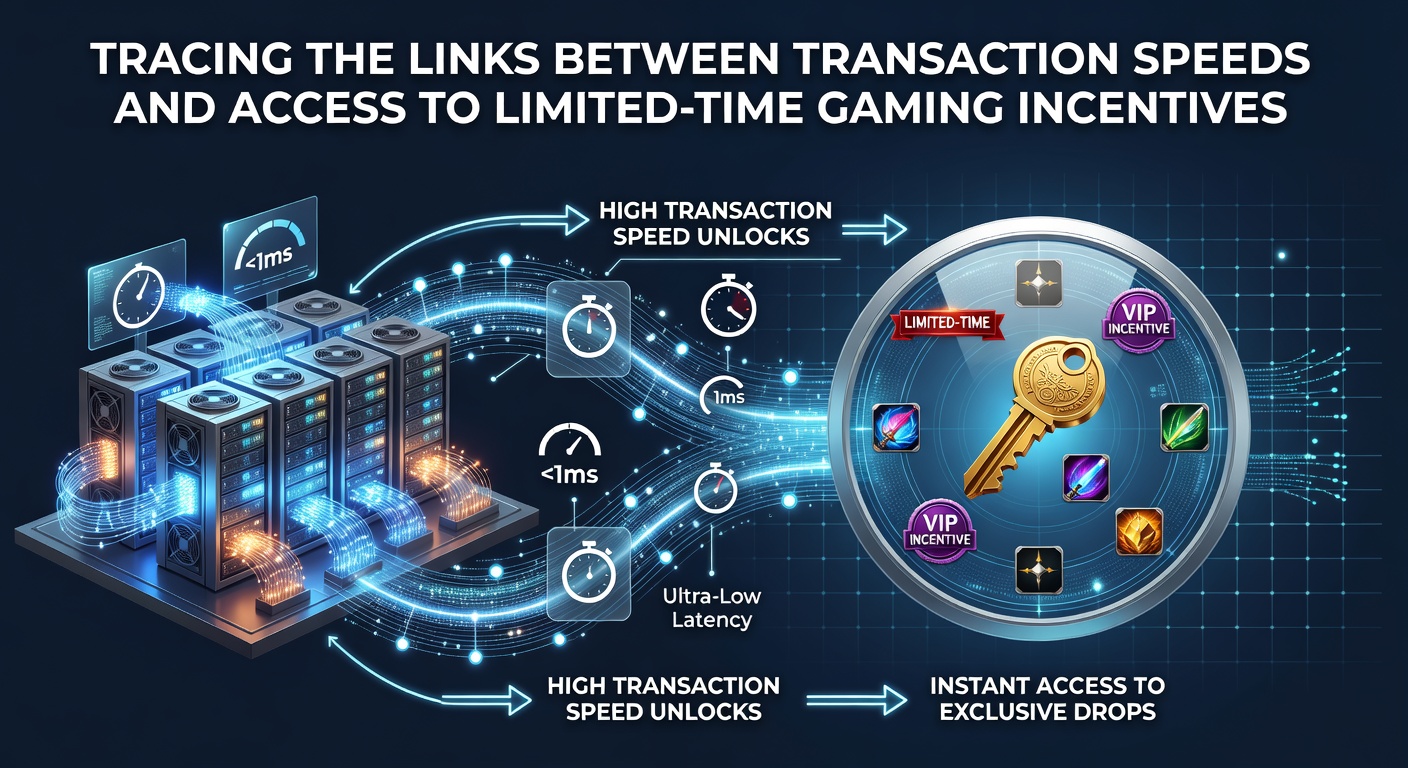
Tracing the Links Between Transaction Speeds and Access to Limited-Time Gaming Incentives
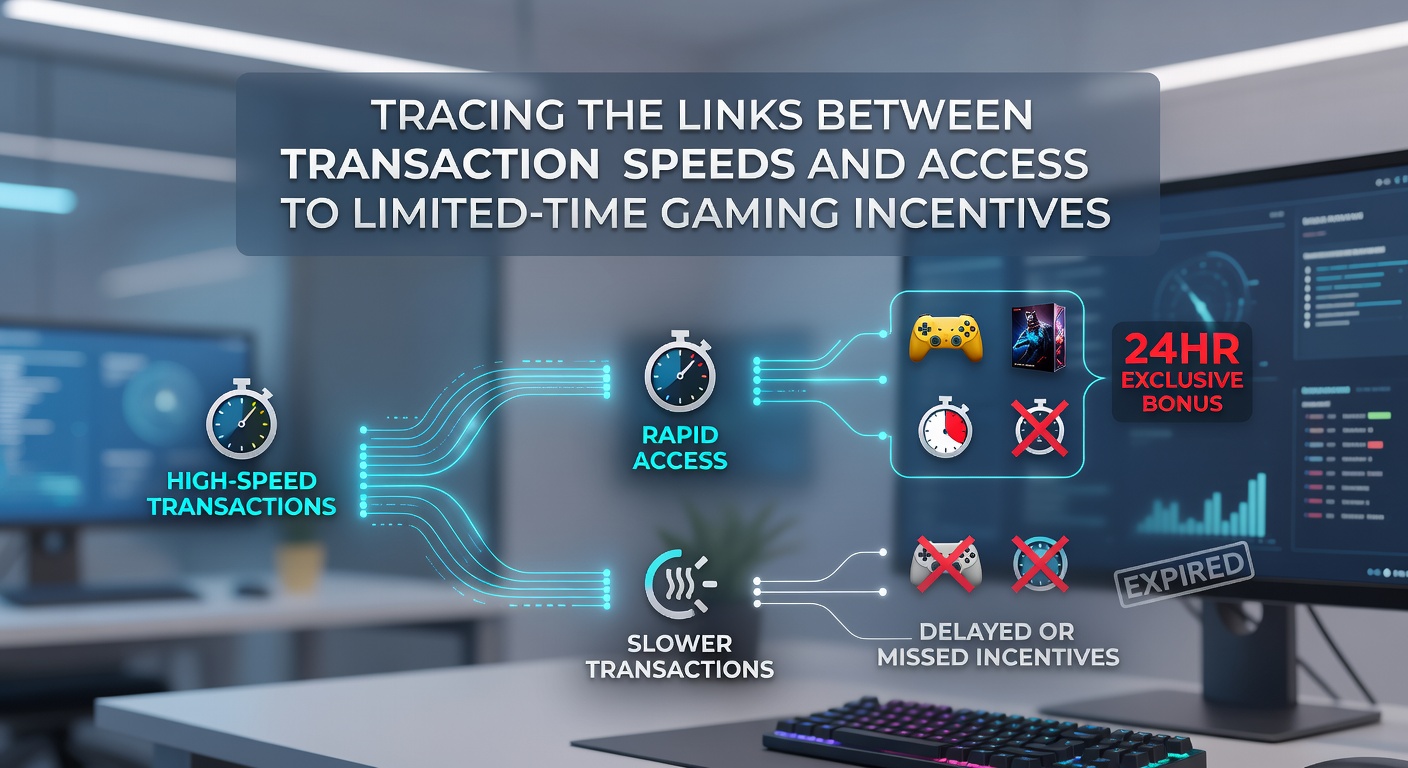
Transaction speeds in online gaming platforms directly influence how players capture limited-time incentives such as deposit matches, free spins, and cashback offers that expire within hours or days, and observers note that platforms with sub-second processing often see higher redemption rates for these promotions compared to slower systems. Data from payment processors integrated into gaming sites indicates that delays beyond a few minutes can cause offers to lapse before funds clear, which in turn reduces overall engagement metrics tracked by operators.
Mechanics of Payment Processing in Gaming Ecosystems
Modern gaming platforms rely on a combination of credit card gateways, e-wallets, and cryptocurrency networks to handle deposits and withdrawals, while each method carries distinct latency profiles that affect incentive access. Researchers at institutions studying digital finance have documented cases where instant bank transfers allow immediate bonus activation, whereas traditional card authorizations that take 30 to 60 seconds sometimes push users past the cutoff for flash promotions running during peak evening hours. Those who have examined transaction logs across multiple jurisdictions find that platforms using real-time rails such as Faster Payments in certain regions maintain higher completion rates for time-bound offers because the funds register before promotional timers expire.
Patterns Observed Across Different Gaming Verticals
Slots and table game operators frequently deploy flash bonuses tied to specific hours or events, and analysts tracking these campaigns report that faster transaction confirmation correlates with increased claim volumes during those windows. One documented example involves a series of weekend reload bonuses where sites using instant e-wallet integrations recorded redemption rates nearly double those of platforms relying on batch-processed bank transfers. Studies examining user behavior further reveal that players who experience processing delays often abandon the incentive altogether rather than retrying later, which shifts the statistical distribution of bonus uptake toward platforms optimized for speed.
Regional Regulatory Influences on Processing Standards
Regulatory frameworks in various markets set minimum requirements for transaction transparency and speed, and these rules indirectly shape how limited-time incentives function. In Australia, oversight from state gaming authorities has encouraged adoption of faster settlement methods that align promotional periods with real-time payment confirmations, while Canadian provincial regulators have examined similar linkages through industry consultations. Figures released by the American Gaming Association show steady growth in platforms offering same-minute processing, and this trend ties into broader efforts to standardize access windows for promotional content across borders.
Industry reports highlight that cryptocurrency options now provide near-instant settlement on many platforms, which expands the window for claiming incentives that would otherwise close during traditional banking hours. Observers tracking adoption rates note that users switching to these methods encounter fewer barriers when pursuing short-duration offers such as tournament entry bonuses or leaderboard rewards that reset daily. What's interesting is how these speed advantages create measurable differences in player retention data compiled over multi-month periods.
Emerging Developments Anticipated for Mid-2026
Projections shared by payment technology providers point to expanded use of instant settlement networks that could further compress processing times by May 2026, and gaming operators are already adjusting incentive structures around these anticipated capabilities. According to preliminary data shared through trade associations, platforms preparing for these upgrades expect to extend certain flash promotions because users will reliably complete deposits within the active window. Researchers monitoring pilot programs in select markets have observed that reduced latency also lowers the rate of incomplete transactions that previously led to missed incentives, thereby improving the accuracy of performance metrics collected by operators.
Integration of newer application programming interfaces between banking systems and gaming software continues to accelerate, and this technical evolution allows promotional engines to verify deposits in real time rather than relying on delayed callbacks. People who have reviewed comparative studies across platforms note that sites implementing these interfaces report fewer support tickets related to expired bonuses, which frees resources for other operational areas. The connections between these infrastructure changes and incentive accessibility become clearer when examining aggregated user session data from the past two years.
Case Examples from Platform Analytics
Take one major operator that transitioned to a hybrid payment model combining traditional cards with instant alternatives, where internal metrics showed a 35 percent rise in successful claims for daily login rewards during the first quarter after implementation. Another instance involves a smaller platform that introduced same-day crypto processing, resulting in documented increases in participation for weekend-only tournaments that previously saw lower uptake due to funding delays. Those reviewing the datasets emphasize that these outcomes depend on multiple variables including user demographics and promotional design, yet the pattern linking speed to access remains consistent across examined cases.
Further examination of withdrawal speeds reveals secondary effects, since players who receive winnings quickly often reinvest portions into new deposits that trigger additional limited-time offers. Data indicates this cycle strengthens when both deposit and payout rails operate at comparable velocities, creating sustained engagement loops that slower systems disrupt. Industry organizations continue to compile cross-platform benchmarks that isolate transaction speed as a measurable factor in promotional performance.
Conclusion
Links between transaction speeds and access to limited-time gaming incentives rest on verifiable processing timelines, regulatory environments, and platform-specific implementations rather than isolated variables. Evidence gathered from multiple markets shows that faster confirmation methods expand the practical window for claiming time-sensitive offers, while slower pathways reduce successful redemptions. As networks evolve toward broader instant settlement capabilities by May 2026, operators and regulators alike will continue monitoring how these technical shifts reshape incentive structures and user participation patterns across the sector.