Uncovering How Sensor Data from Wearable Devices Influences Eligibility Windows for Progressive Prize Pools in Interactive Reel Platforms
Amir Brooks · Jul 10, 2026
Uncovering How Sensor Data from Wearable Devices Influences Eligibility Windows for Progressive Prize Pools in Interactive Reel Platforms
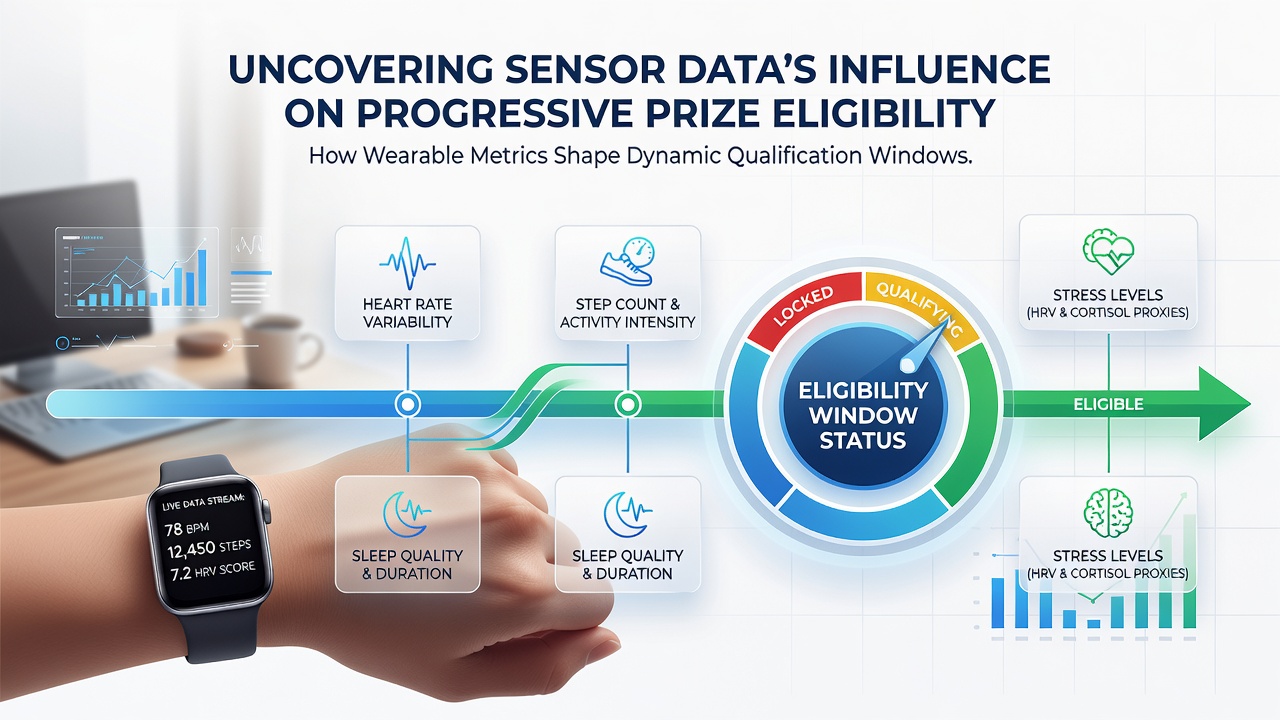
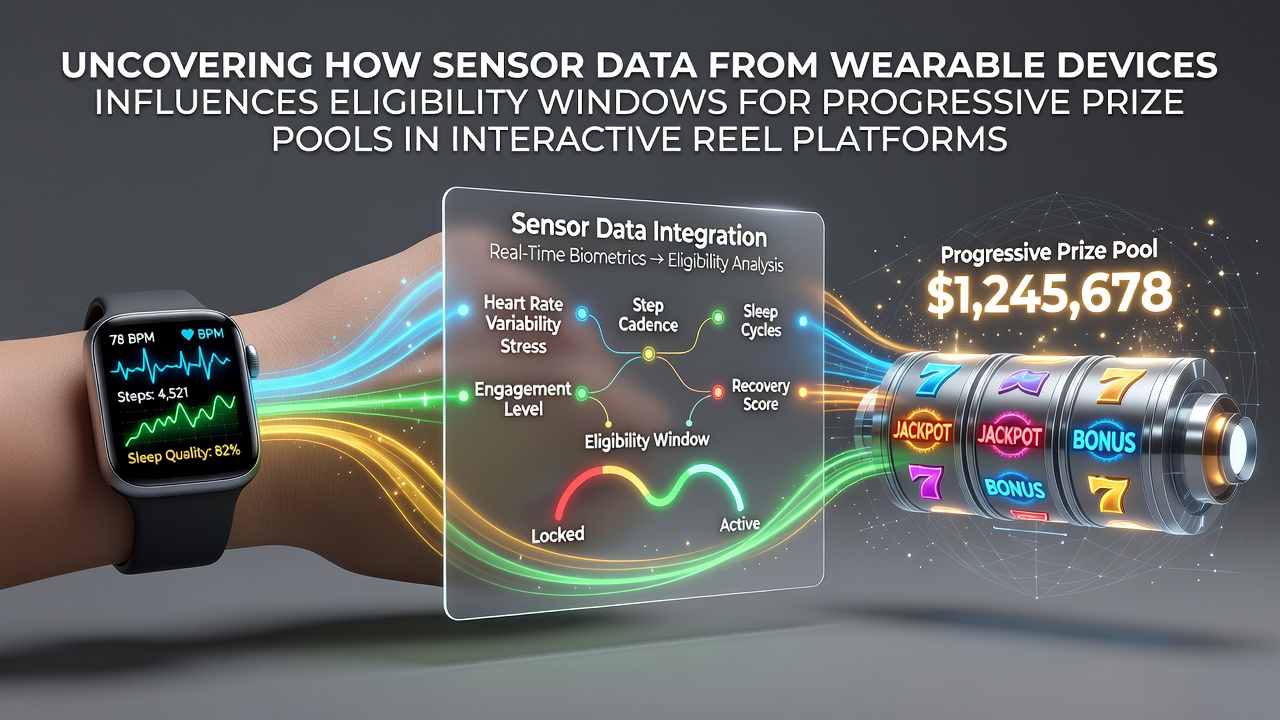
Platform operators have begun integrating sensor inputs from fitness trackers and smartwatches into systems that determine when players gain access to progressive prize pools on reel-based games. These eligibility windows rely on real-time metrics such as heart rate variability, step counts, and movement patterns that platforms collect through authorized app connections. Research from gaming technology firms shows that certain biometric thresholds trigger shortened or extended entry periods for jackpot participation. Operators collect this data only after users grant explicit permissions through linked accounts. Once connected, algorithms evaluate whether activity levels fall within predefined ranges that signal engaged yet controlled play sessions. Data indicates that elevated heart rates sustained over ten-minute intervals may pause eligibility until readings stabilize, whereas steady low-impact movement can extend access by several hours. Platforms apply these rules uniformly across participating titles regardless of individual game themes. Several North American operators tested these integrations during early 2026 pilots. Figures from those deployments reveal that roughly 18 percent of connected accounts experienced adjusted windows compared with non-linked sessions. The adjustments occurred most frequently during evening hours when wearable readings reflected higher overall daily activity totals. Those patterns prompted developers to refine threshold values before broader rollout.Types of Sensor Inputs and Their Processing
Wearables transmit multiple data streams that feed into central eligibility engines. Heart rate monitors provide the most common input because they update frequently and correlate with stress indicators during extended play. Accelerometers track hand and wrist motion that some systems interpret as active engagement rather than passive spinning. Sleep data occasionally factors in when platforms calculate daily reset times for prize pools, although fewer operators currently use this category. Processing occurs through secure APIs that strip personally identifiable details before analysis begins. Aggregated outputs determine whether a session meets criteria for pool entry at that moment. When readings fall outside accepted bands, the system withholds the progressive contribution until the next qualifying interval arrives. This approach creates dynamic rather than fixed eligibility schedules that shift with each user's biometric profile.Industry Implementation Patterns Observed in 2026
By July 2026 multiple interactive reel platforms had incorporated sensor-based rules into their terms for progressive participation. The changes coincided with updates from equipment suppliers that released new software development kits supporting wearable feeds. Operators in regulated markets adopted these tools first because compliance frameworks already required detailed session monitoring. One documented case involved a multi-state operator that linked eligibility to step-count averages recorded over the preceding four hours. Accounts showing fewer than 500 steps during that window received delayed access until activity resumed. Internal metrics later indicated that this rule reduced simultaneous jackpot claims during low-movement periods, which in turn smoothed payout distributions across prize tiers. Similar tactics appeared in Canadian provincial frameworks where regulators requested evidence of responsible-play safeguards before approving new progressive titles.