Uncovering Ties Between Regional Licensing Standards and Opportunities for Customized Gaming Experiences on Handheld Devices
Amir Brooks · Aug 21, 2026
Uncovering Ties Between Regional Licensing Standards and Opportunities for Customized Gaming Experiences on Handheld Devices
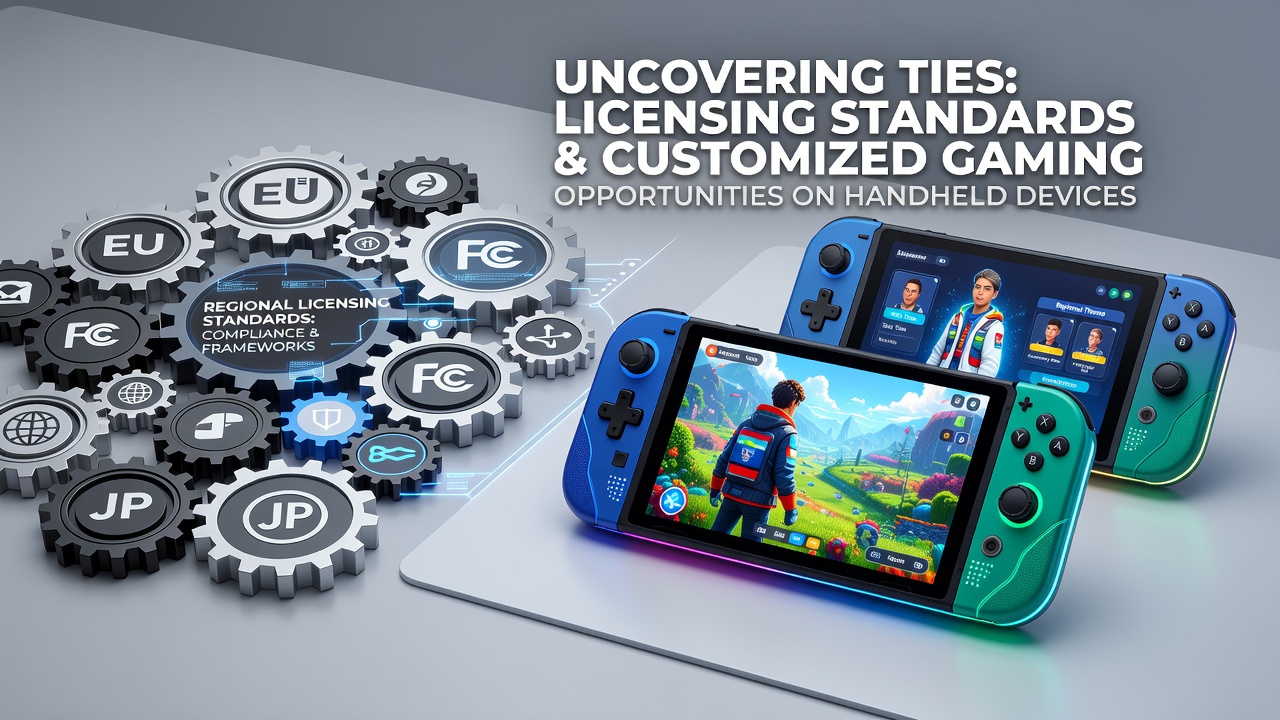
Regional licensing standards shape the boundaries of what operators can deliver through customized gaming experiences on handheld devices and create measurable differences in feature availability across markets. Data from multiple jurisdictions shows that stricter approval processes often correlate with narrower options for personalization while more flexible frameworks permit broader tailoring of interfaces, reward structures, and gameplay mechanics on mobile platforms.
Regulatory Variations Across Key Markets
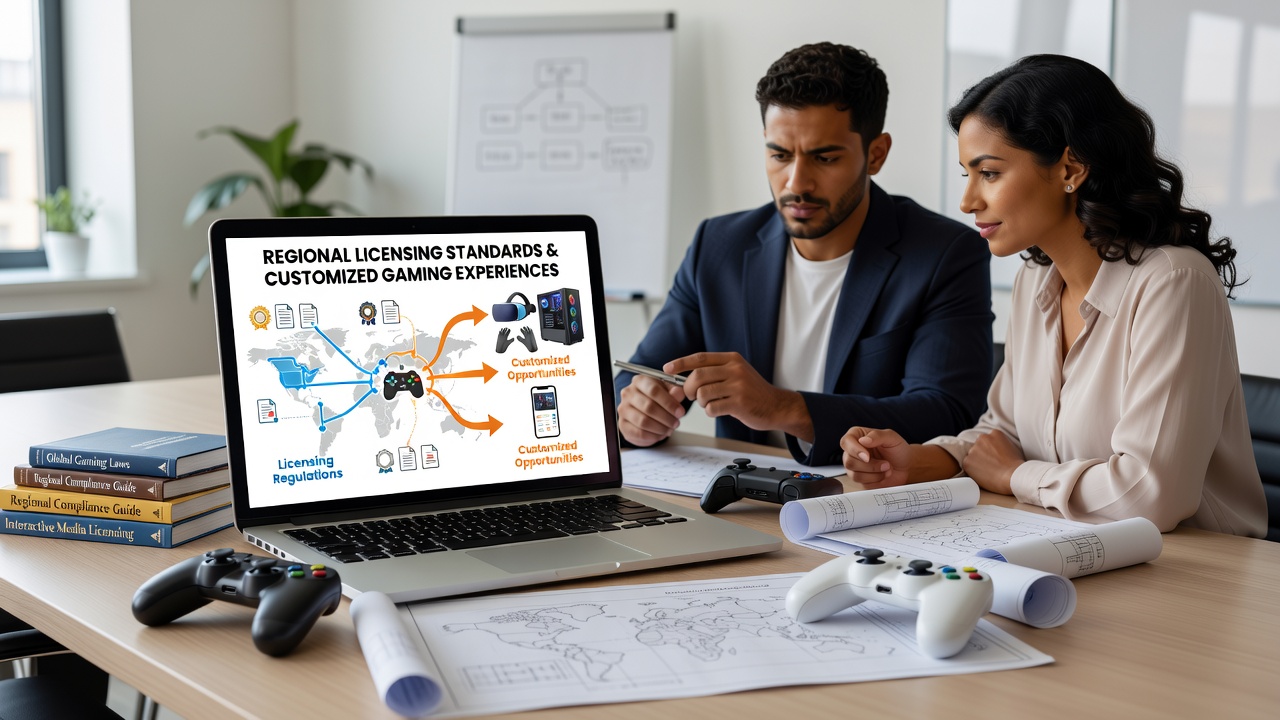
Licensing requirements in different regions set distinct parameters for game certification, user data handling, and software modification rights, and these rules directly influence the degree of customization handheld users encounter. In markets where regulators demand extensive pre-approval for every interface change, developers face longer timelines before rolling out personalized elements such as adjustable reel speeds, custom notification settings, or tailored bonus round visuals.
Observers note that jurisdictions with streamlined licensing pathways tend to see faster adoption of user-driven modifications because operators can iterate on handheld experiences without repeated full-system audits. Figures from industry reports released in August 2026 indicate that regions updating their mobile gaming guidelines that summer experienced a measurable uptick in approved custom-feature deployments compared with areas retaining older, more rigid review cycles.
Impact on Feature Development and User Options
Research conducted by academic institutions tracking handheld gaming trends reveals clear patterns linking licensing stringency to the range of available customizations. Where standards emphasize real-time compliance monitoring, developers often limit advanced personalization tools to avoid triggering additional certification steps, whereas areas allowing post-launch updates under lighter oversight enable features like dynamic theme switching and individualized reward calendars on the same devices.
Take one analysis from a North American regulatory body that examined mobile platform submissions over eighteen months and found operators in flexible licensing zones introduced custom avatar systems and preference-based game filters at nearly twice the rate of counterparts operating under stricter regimes. Similar patterns appear in Asia-Pacific data where licensing bodies with tiered approval categories opened pathways for localized interface adaptations that align with regional player preferences without requiring complete re-certification.
Case Examples from Different Regulatory Environments
One study released by a European research consortium highlighted how licensing frameworks that incorporate sandbox testing environments allow developers to trial customized handheld features with limited user groups before full rollout, and this approach has expanded access to adaptive difficulty settings and player-selected soundtracks in several member states. In contrast, markets requiring exhaustive upfront documentation for every modification report slower integration of such elements despite equivalent technical capabilities.
Another dataset compiled by an Australian government agency tracking digital entertainment platforms shows that licensing updates implemented in mid-2026 coincided with increased approvals for cross-device synchronization tools, enabling users to carry custom progress trackers and preference profiles seamlessly between handheld sessions. Those who've examined submission logs note that the same tools encountered delays in regions where licensing standards mandate separate reviews for each connected device type.
Technical and Compliance Considerations
Compliance teams at major operators report that regional differences in encryption mandates and age-verification protocols often determine whether advanced customization layers can operate on handheld hardware without additional hardware-level restrictions. When licensing standards permit shared verification frameworks across devices, opportunities expand for seamless personalization such as cloud-saved custom control layouts and preference-driven jackpot contribution sliders.
Yet markets enforcing device-specific licensing add steps that discourage rapid deployment of these features, and data indicates this results in fewer available options for players using the latest handheld models. Industry associations tracking these trends point to August 2026 filings where several operators cited licensing harmonization efforts as a factor in expanding custom feature availability across borders.
Conclusion
The connections between regional licensing standards and customization opportunities on handheld devices continue to evolve as regulators adjust approval processes and operators adapt development pipelines accordingly. Evidence from multiple sources demonstrates that frameworks supporting faster review cycles and modular testing consistently correlate with wider ranges of personalized gaming elements reaching users, while more prescriptive approaches maintain tighter controls on what appears on handheld screens. These patterns remain visible in ongoing submissions and approval statistics gathered through the middle of 2026.