Verification Timelines Shape Access to Layered Incentives Across Gaming Platforms
Amir Brooks · Jun 26, 2026
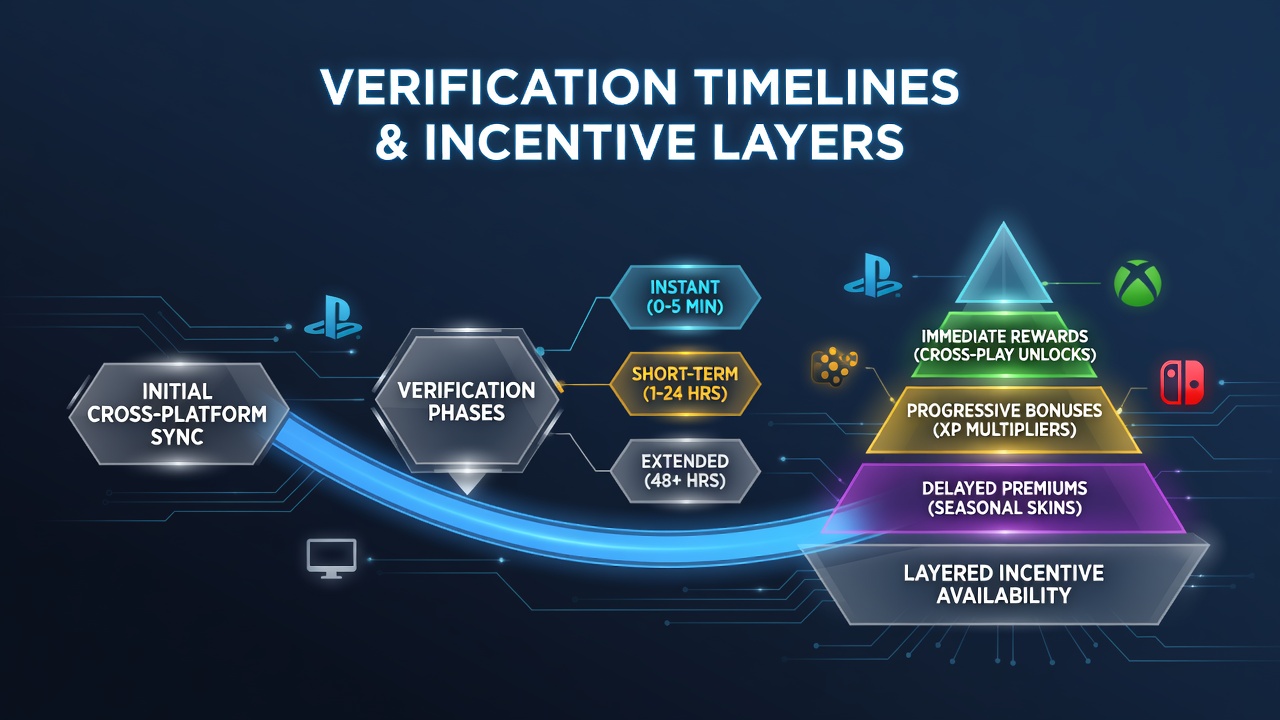
Verification Timelines Shape Access to Layered Incentives Across Gaming Platforms
Cross-platform gaming setups require users to complete verification processes before accessing incentives that vary by platform and account status, and these timelines directly determine when players gain entry to different reward tiers. Data from industry reports shows that standard identity checks typically take between 24 and 72 hours, while enhanced reviews for high-volume accounts extend to five business days or more depending on the jurisdiction and provider workload.
How Verification Processes Operate in Multi-Device Environments
Players log in across mobile applications, desktop clients, and console integrations, yet each entry point feeds into a centralized verification system that evaluates documents and transaction histories. Regulators in various regions track these procedures because incomplete verification blocks access to promotional structures that include deposit matches, free spin allocations, and loyalty point multipliers. According to figures from the Nevada Gaming Control Board, operators processed over 1.2 million verification requests in the first quarter of 2026, with 68 percent cleared within the initial 48-hour window.
Layered incentives function as progressive stages where basic rewards unlock after initial approval and advanced benefits require sustained compliance checks. One common structure grants immediate low-value bonuses once basic identity confirmation occurs, then releases higher-value items only after address verification and payment method authentication complete. Those who have studied platform operations note that delays in any single layer cascade into postponed access across all connected devices.
Connections Between Timelines and Reward Eligibility
Shorter verification windows correlate with faster entry into time-sensitive promotions such as weekend leaderboard challenges or seasonal event pools. Platforms that integrate automated document scanning tools reduce average processing from 72 hours down to 18 hours in documented cases, allowing users to participate in limited-time tournaments that award portable rewards transferable between mobile and desktop sessions. Research conducted by the University of Nevada, Las Vegas gaming laboratory indicates that a one-day reduction in verification duration increases incentive claim rates by 22 percent among cross-platform users.

Longer timelines create bottlenecks when users attempt to move between devices mid-process. For instance, a verification started on a mobile app may stall if additional documentation is requested and the player switches to a desktop browser without syncing the updated status. Operators address this through unified dashboards that display real-time progress, yet regional rules sometimes require separate confirmations for each device category, extending overall availability of layered rewards.
Regional Variations in June 2026
Developments in June 2026 highlighted differences across markets. Canadian provincial regulators introduced streamlined digital identity protocols that shortened verification for interprovincial platforms, while Australian authorities maintained stricter manual reviews for accounts exceeding certain transaction thresholds. These policy shifts altered how quickly players reached higher incentive tiers on systems spanning multiple device types.
Industry associations such as the American Gaming Association have compiled comparative data showing that platforms adopting biometric verification options cut average timelines by 35 percent compared with document-only methods. This acceleration matters because many layered incentives operate on rolling calendars where missing the initial window excludes users from subsequent reward cycles that build on earlier participation.
Practical Effects on Player Access Patterns
Observers tracking user behavior report that accounts verified within the first day show higher engagement with progressive reward structures than those awaiting extended reviews. Payment method authentication often forms the final gate before accessing portable incentives that transfer value between platforms. When this step extends beyond standard windows, players lose eligibility for competitions that reset weekly or monthly.
Take one documented case where experts followed accounts across three devices: mobile verification completed in 19 hours unlocked entry-level deposit bonuses, desktop address confirmation added two days before loyalty multipliers activated, and console integration required an additional security layer that delayed full access to tournament entries by four days total. Such staggered timelines illustrate how each verification stage gates successive incentive layers.
Conclusion
Verification timelines function as gatekeepers that control progression through layered incentive systems in cross-platform environments. Regulatory updates, technological adoptions, and regional policy differences continue to reshape these connections as platforms expand device compatibility. Data from government agencies and academic studies consistently demonstrate that faster, more synchronized verification processes expand the window during which users can claim and utilize progressive rewards across their preferred gaming setups.